
Preserve Your Children's Precious Artworks: Children's Artwork Preservation Methods
Every parent, grandparent, or educator knows the joy of seeing a child's creativity come to life on paper. Those colourful drawings, imaginative paintings, and quirky crafts are more than just art - they are memories, milestones, and expressions of a young mind. Preserving these precious artworks is a wonderful way to celebrate a child's growth and creativity. But how do you keep these treasures safe and organised without drowning in piles of paper? Let me share some practical, easy-to-follow children's artwork preservation methods that work beautifully.
Why Preserving Children's Artwork Matters
Children’s artwork captures moments in time that you will want to remember forever. Each scribble and brushstroke tells a story about their development, interests, and emotions. When you preserve these pieces, you honour their creativity and boost their confidence. It also creates a tangible timeline of their growth that you can revisit anytime.
Preserving artwork is not just about storage. It’s about cherishing memories and making your child feel valued. Plus, it helps reduce clutter and keeps your home organised. When you have a system in place, you can enjoy the art without feeling overwhelmed by it.
Children's Artwork Preservation Methods That Work
There are many ways to preserve your child’s artwork, and the best method depends on your space, time, and preferences. Here are some tried-and-true methods that I find effective and easy to maintain:
1. Create a Rotating Gallery Wall
Designate a wall or a section of a room as your child’s personal art gallery. Use frames, clipboards, or wire with clips to display their latest masterpieces. Rotate the artwork regularly to keep the display fresh and exciting. This method celebrates their creativity daily and makes them feel proud.
Use colourful frames or simple wooden ones for a neat look.
Change the art every month or season.
Store the replaced artwork in a portfolio or box.
2. Use a Portfolio or Art Binder
A portfolio or large binder with plastic sleeves is perfect for storing flat artwork. It keeps the pieces safe from damage and makes it easy to flip through the collection. Label the binder by year or age to track progress over time.
Choose acid-free sleeves to protect the paper.
Include notes about the artwork’s date and story.
Keep the binder accessible for your child to revisit.
3. Digitise the Artwork
Taking photos or scanning artwork is a fantastic way to preserve it without physical clutter. Digital copies can be organised on your computer or cloud storage and shared easily with family and friends. You can also create digital albums or slideshows.
Use natural light and a flat surface for clear photos.
Edit images to enhance colours if needed.
Back up files regularly to avoid loss.

4. Turn Art into Custom Books
One of the most special ways to preserve artwork is by turning it into a professionally printed book. This method transforms loose papers into a beautiful keepsake that you can treasure forever. It also makes a wonderful gift for grandparents or family members.
Select your favourite pieces to include.
Add captions or stories to personalise the book.
5. Create Functional Art Items
Another creative preservation method is to turn artwork into everyday items like calendars, mugs, or cushions. This way, the art becomes part of your daily life and brings joy beyond the fridge door.
Choose artwork with bold colours and clear designs.
Use online services that print custom items.
Rotate items seasonally or as gifts.
Organising and Storing Artwork for Longevity
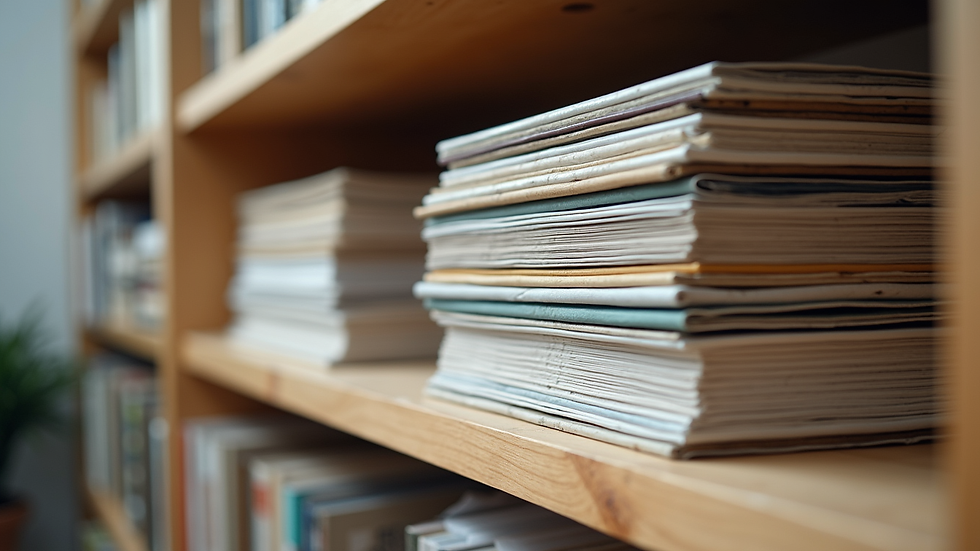
Preserving artwork is not just about display but also about proper storage. Here are some tips to keep your child’s creations safe for years to come:
Use acid-free folders and boxes to prevent yellowing.
Store artwork flat to avoid creases and tears.
Keep artwork away from direct sunlight and moisture.
Label storage containers with dates and descriptions.
Consider climate-controlled storage if you live in a humid area.
By organising and storing artwork carefully, you protect these precious memories from damage and loss.
Encouraging Your Child to Participate in Preservation
Involving your child in the preservation process makes it more meaningful. It teaches them to value their work and develop organisational skills. Here are some ways to include them:
Let them choose which pieces to display or keep.
Create a scrapbook together with notes and stickers.
Encourage them to tell stories about their artwork.
Make preservation a fun, regular activity.
When children see their art being treasured, it boosts their self-esteem and inspires more creativity.
Keeping the Memories Alive for Years to Come
Preserving your child’s artwork is a gift that keeps on giving. It allows you to look back on their creative journey and share those moments with loved ones. Whether you choose to display, digitise, or transform the art into keepsakes, the key is to start early and stay consistent.
Remember, the goal is to celebrate your child’s creativity in a way that fits your lifestyle. With these children's artwork preservation methods, you can create a lasting legacy of love and imagination.
If you want a beautiful, hassle-free way to preserve your child’s art, we at precious art za specialise in turning your child’s creative memories into stunning coffee table books that you and your family will cherish forever.
Preserve those precious artworks today - because every masterpiece deserves to be remembered.


Comments